
Viele Dienstleistungen, die uns die Natur gänzlich kostenlos zur Verfügung stellt und die unser Überleben auf der Erde sichern, werden durch eine funktionierende Flora und Fauna gewährleistet.
Bodenerosion wird verhindert, Klima und Trinkwasser geschützt und für den Menschen ist die Umwelt mit ihrer Vielfalt an Farben, Formen und Strukturen ein Ort der Ruhe, der Erholung und des Naturerlebens. Sie hat auch einen direkten ökonomischen Wert: Ein nachhaltiger Tourismus im ländlichen Raum, begründet auf einer artenreichen, ästhetisch schönen Umgebung. Dies kann für landwirtschaftliche Betriebe und die ländliche Bevölkerung ein wichtiges Standbein sein.
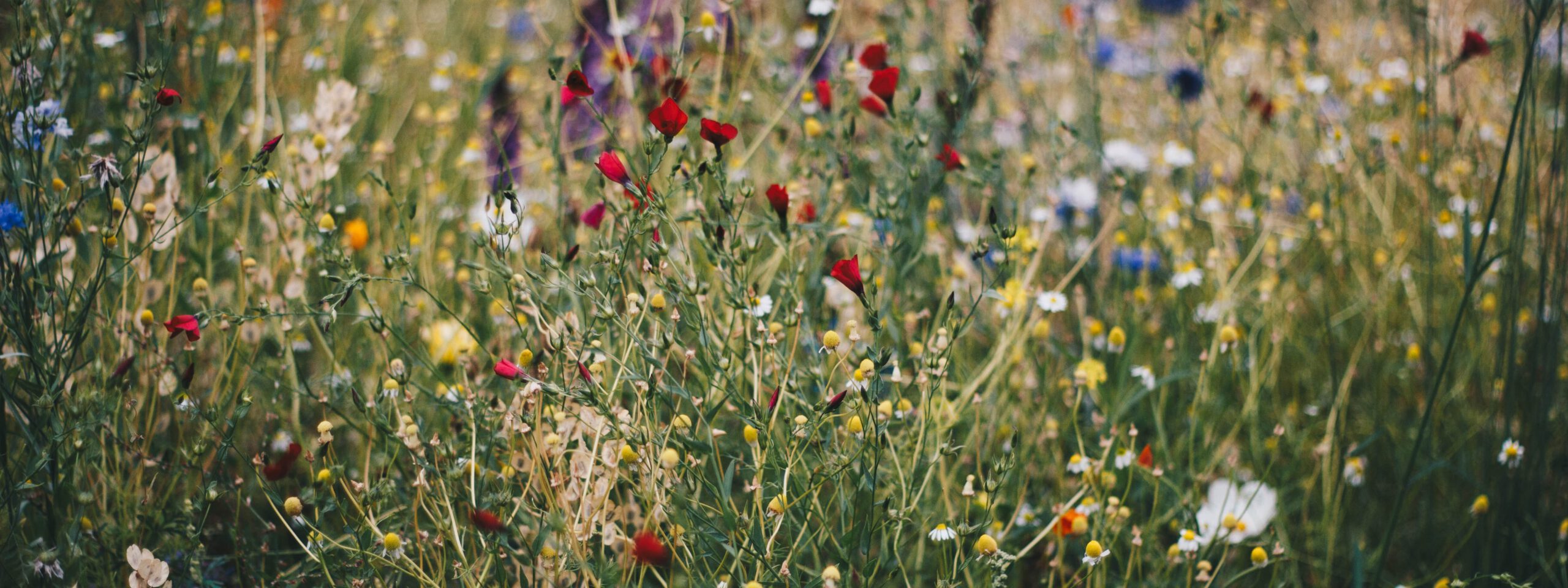
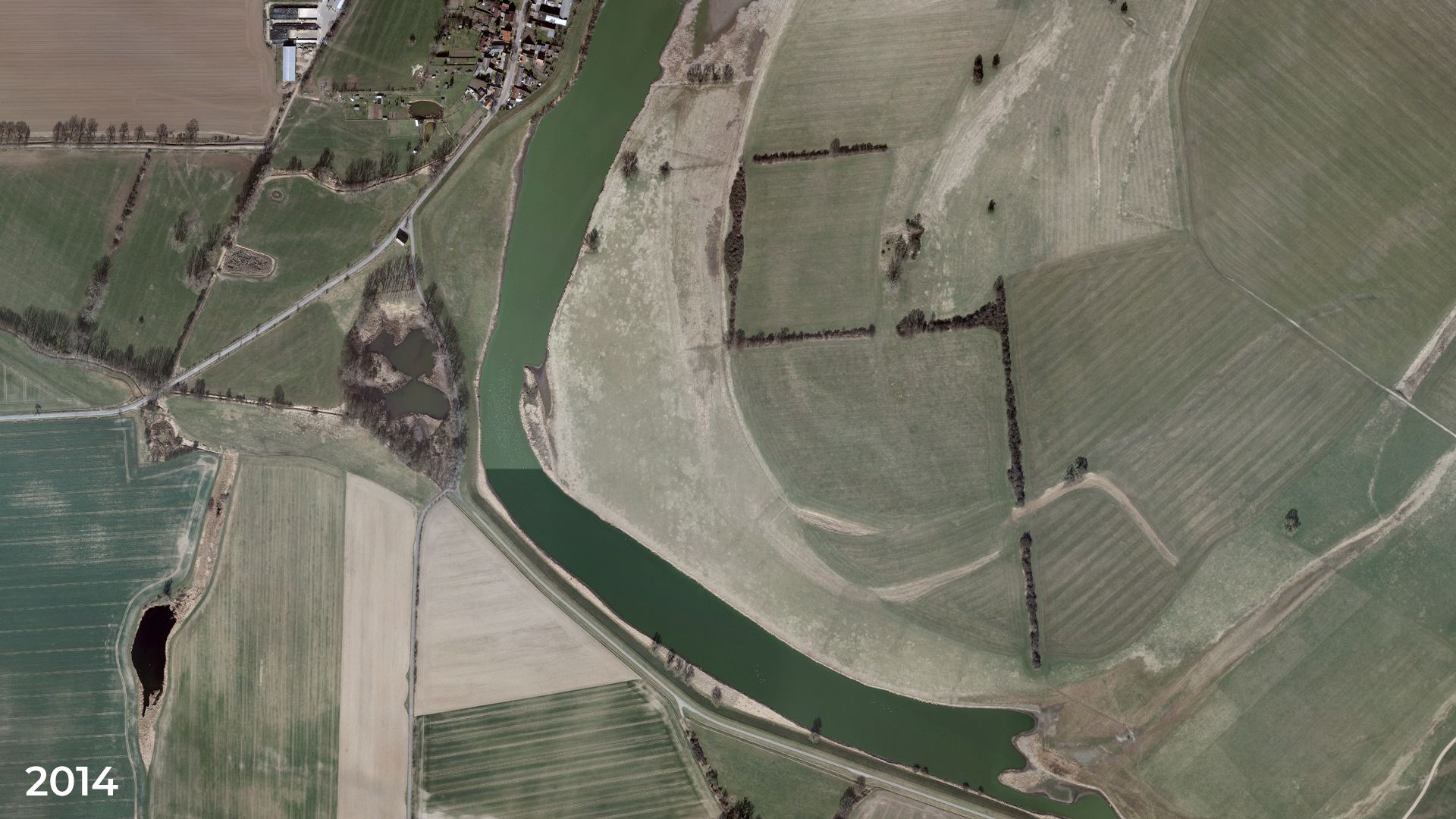
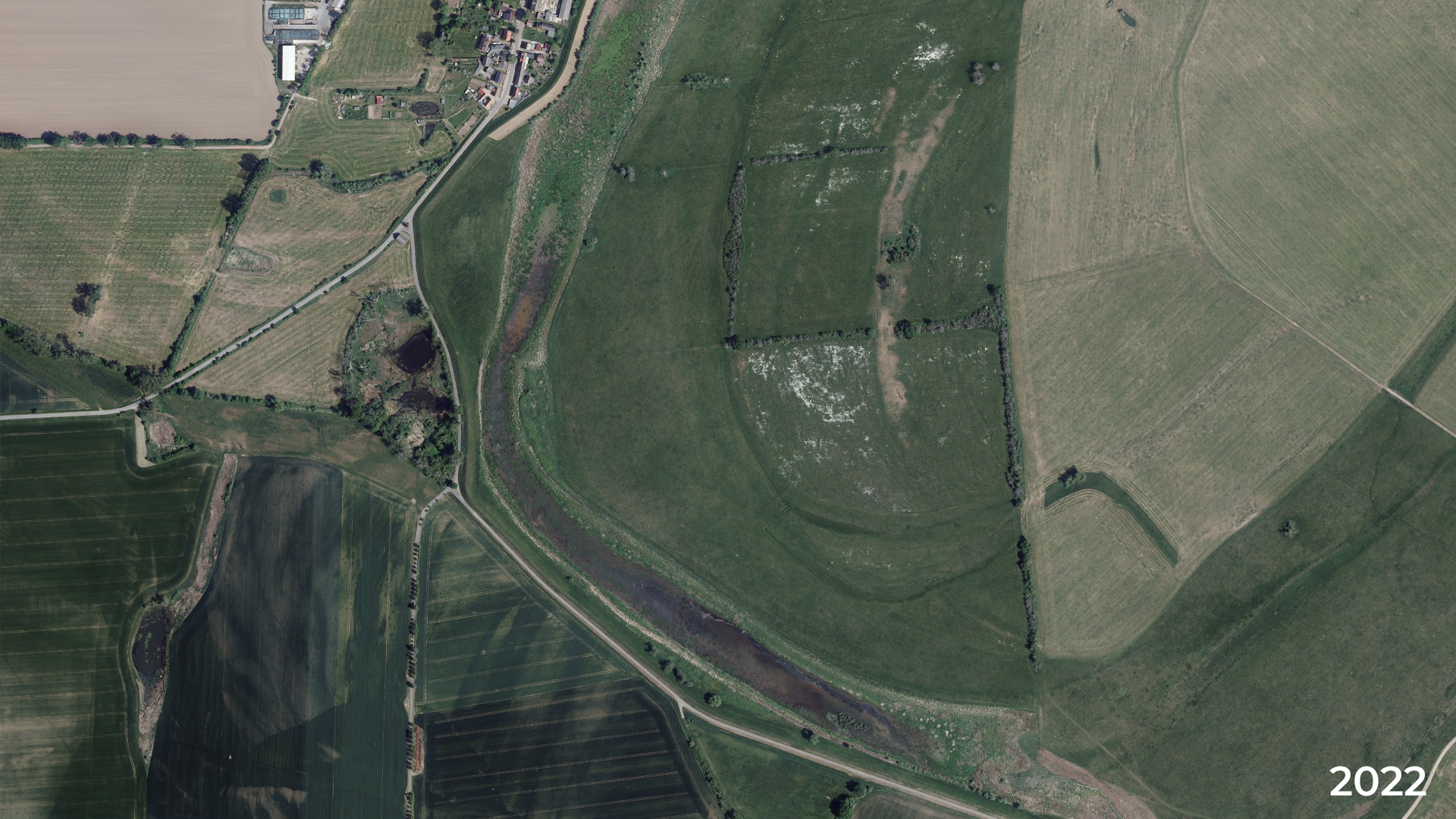
Natürliche vs. geschaffene Veränderungen.
Die Natur, ein komplexes und dynamisches System, ist einem ständigen Wandel unterworfen. Dieser Wandel wird sowohl durch natürliche Prozesse als auch durch menschliches Handeln beeinflusst. Einerseits stehen natürlich geschaffene Veränderungen, die aus geologischen Aktivitäten, Klimaschwankungen, biologischer Evolution und anderen Prozessen resultieren, welche das Antlitz der Erde seit Jahrmilliarden formen und gestalten. Auf der anderen Seite stehen die nicht natürlich geschaffenen Veränderungen, die vorwiegend durch den Einfluss des Menschen in den letzten Jahrhunderten rapide an Bedeutung gewonnen haben. Diese anthropogenen Einflüsse reichen von der Umstrukturierung von Landschaften über die Emission von Treibhausgasen bis hin zur Einführung invasiver Arten, die das ökologische Gleichgewicht stören. Das Verständnis dieser beiden Arten von Veränderungen ist entscheidend, um die komplexen Interaktionen innerhalb der Ökosysteme der Erde und die daraus resultierenden Auswirkungen auf die Biodiversität, die Klimastabilität und die Lebensgrundlagen der Menschheit zu begreifen.
Das Wissen der Natur sich zu nutzen machen.
Seit Anbeginn der Menschheit besteht eine tiefe Verbindung zwischen dem Menschen und der Natur. Die unermesslichen Ressourcen, die die Natur bietet, wurden von kreativen und innovativen Geistern über Jahrtausende hinweg erforscht und genutzt, um das Leben zu erleichtern, zu bereichern und fortzuentwickeln. Diese Nutzung des natürlichen Wissens ist die Grundlage für zahlreiche Errungenschaften in der Medizin, Technik, Landwirtschaft und vielen anderen Lebensbereichen. Von der Entdeckung heilender Pflanzen bis hin zur Entwicklung der Biomimetik, die sich die Nachahmung biologischer Prozesse zum Vorbild nimmt, hat das Lernen von der Natur stets eine zentrale Rolle in der menschlichen Kultur und Zivilisation gespielt. Die Natur umgibt und schützt uns. Ohne ihr wäre das Leben auf der Erde, wie wir es kennen, nicht möglich. Somit ist es unerlässlich, dass wir unserer Umwelt ihre Räume und Freiheiten geben. Denn alles, was wir ihr wegnehmen, fällt auf uns wieder zurück.
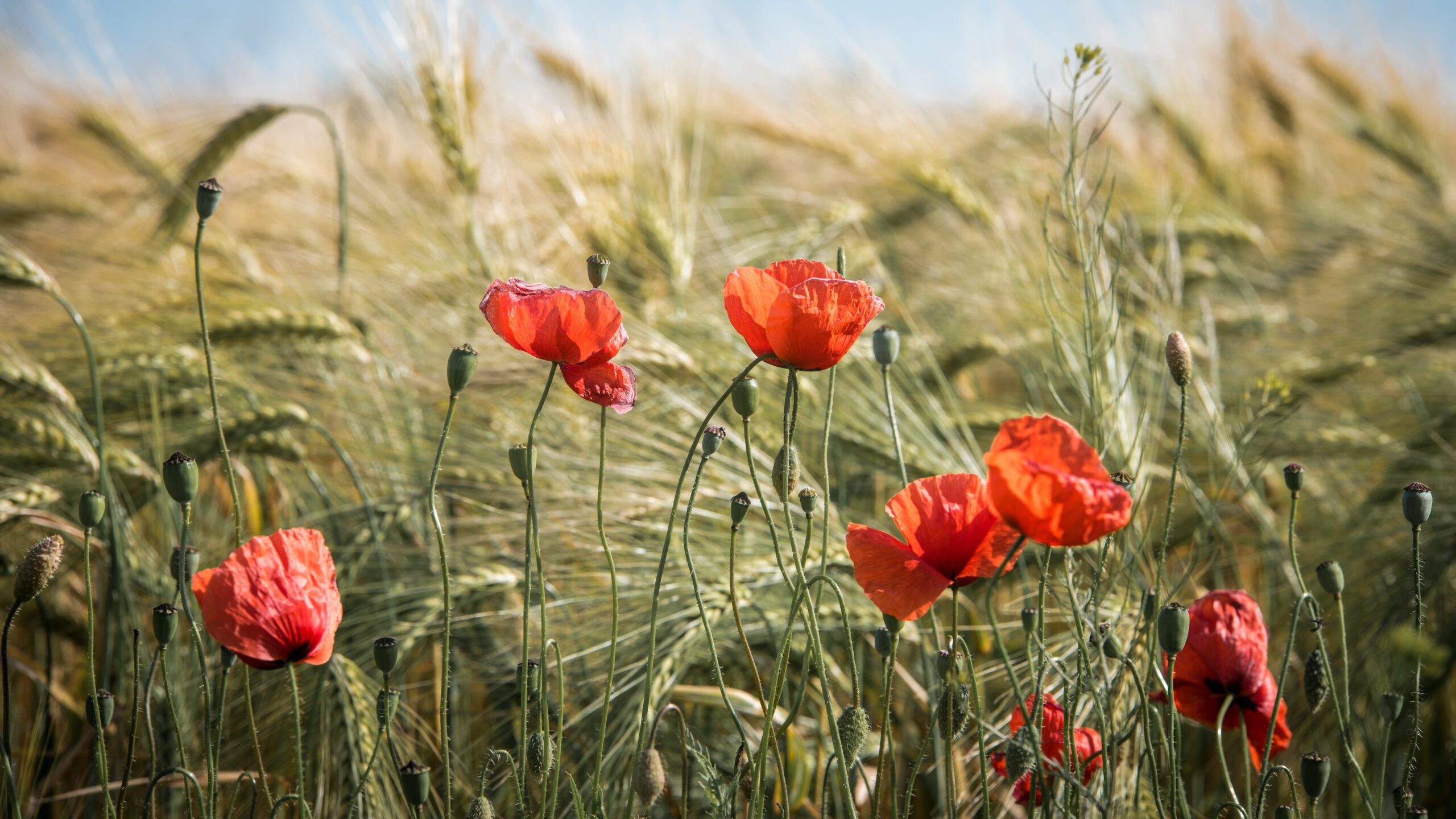
Wiesen und Weiden
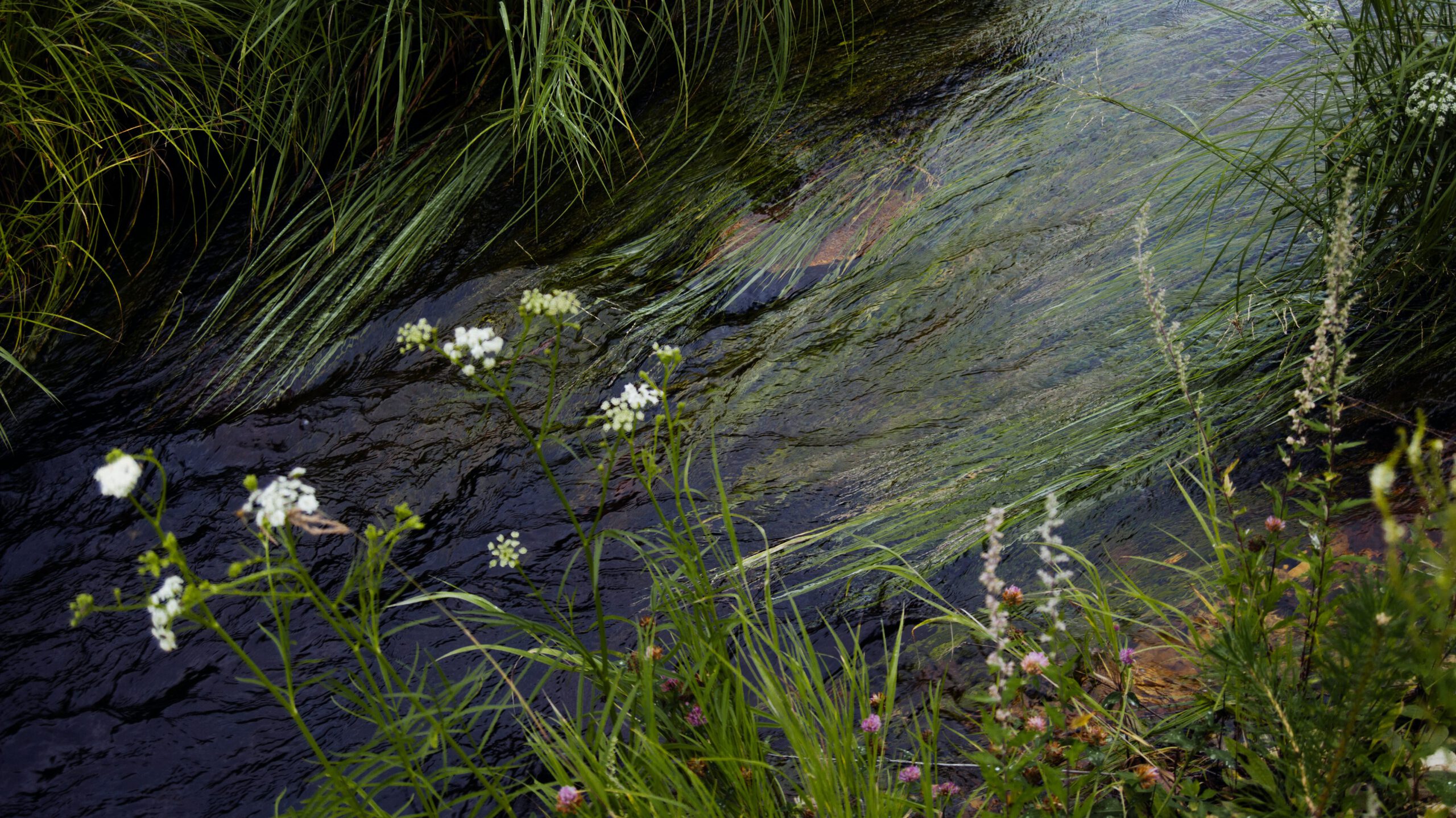
Wasser
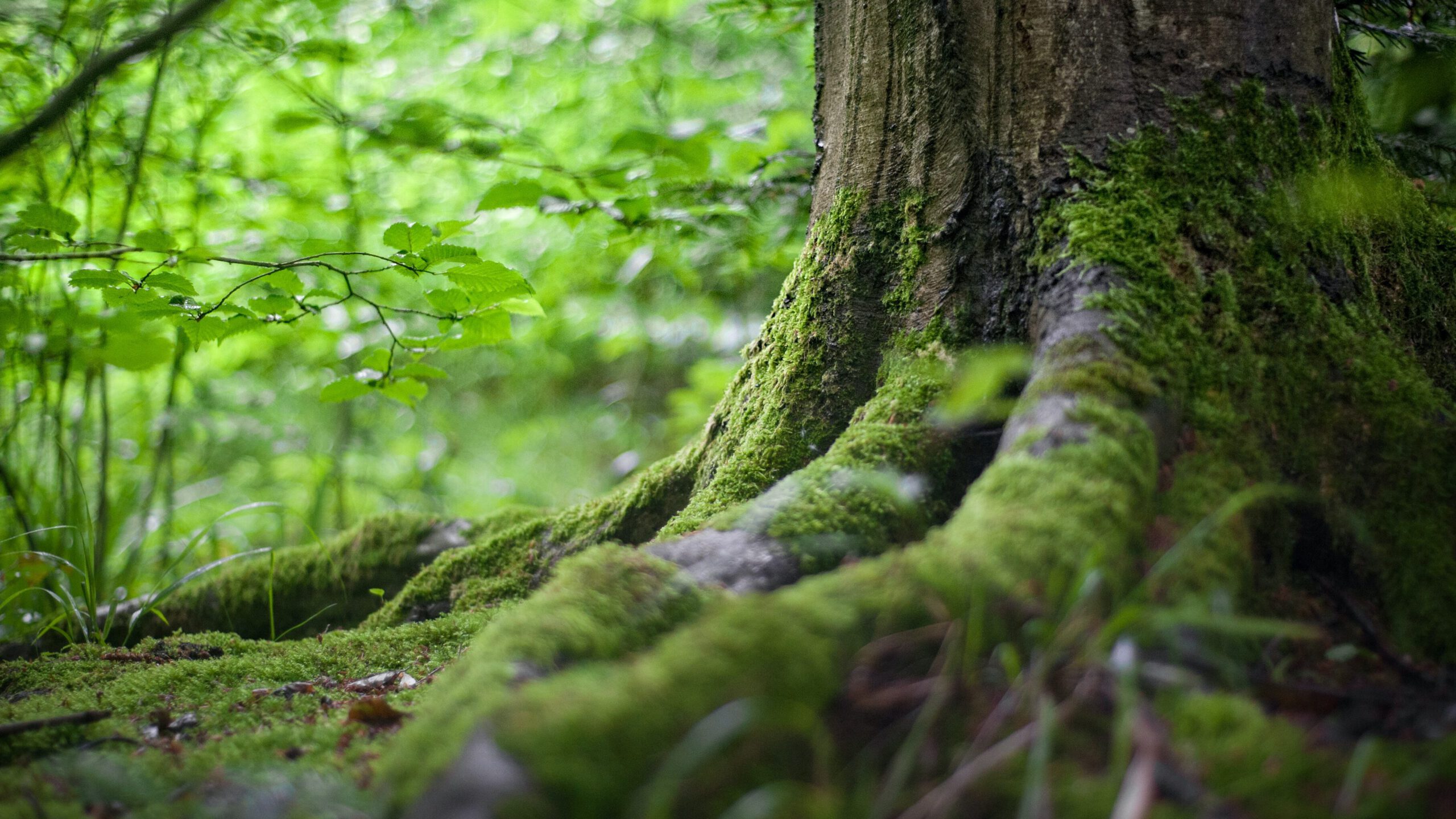
Wald
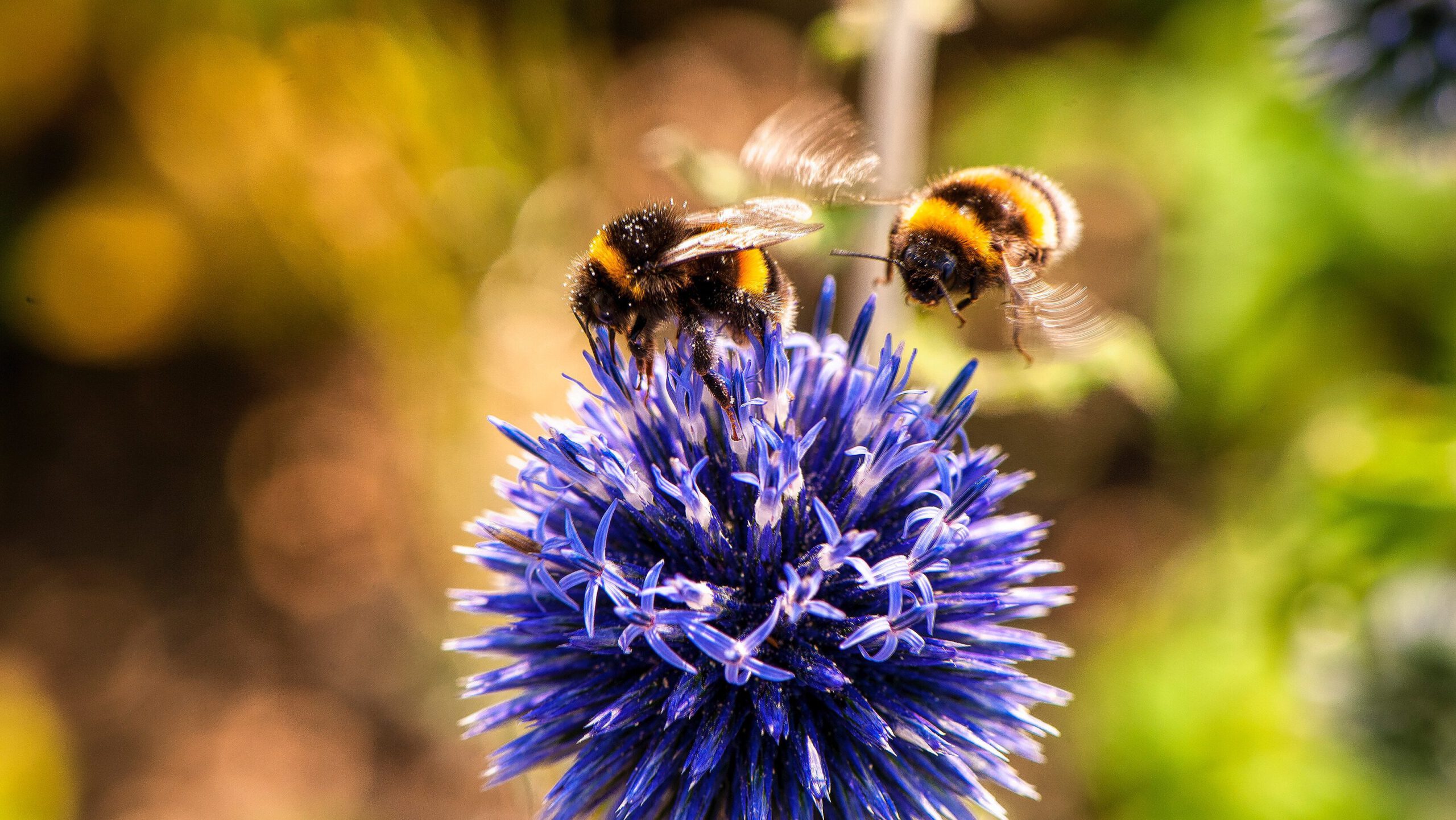
Wildbienen
Jeder kann seinen Beitrag zum Erhalt beitragen.
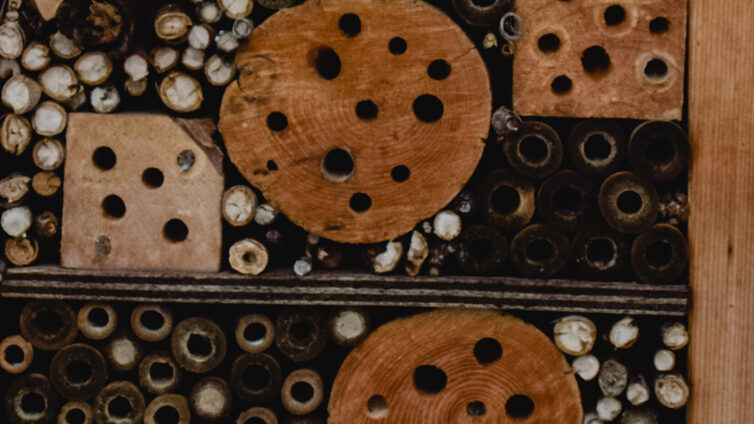
Insektenhotel
Egal, ob gekauft oder selbst gebaut – Insektenhotels bieten unzähligen Tieren ein wichtiges Zuhause.
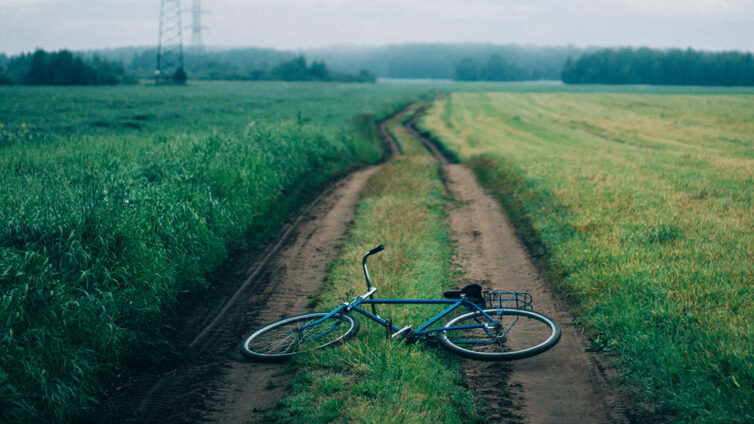
Das Fahrrad als schonende Fortbewegung
Als Freizeitausgleich, zum Einkaufen oder für Besuche – das Fahrrad ist immer eine umweltfreundliche Alternative.